Choosing the right countertop material is one of the most important decisions in any kitchen or bathroom remodel. Among the many options available, two of the most popular choices are granite and quartz. Both materials bring their own distinct advantages in terms of appearance, durability, maintenance, and overall value. Understanding the key differences can help you decide which is the better fit for your lifestyle and home design. In this guide, we’ll compare granite vs quartz countertops in detail so you can make an informed choice.
Understanding the Basics of Granite vs Quartz Countertops
Granite is a natural stone formed over millions of years, quarried from the earth, and cut into slabs for use in homes and buildings. Its organic formation means every piece is unique, with varying colors and veining patterns. Quartz, on the other hand, is an engineered stone made from crushed quartz crystals combined with resins and pigments. This manufacturing process results in a highly consistent surface with a wide range of color and pattern options. Both materials are premium choices, but their origin and composition significantly impact their performance, maintenance requirements, and style versatility.
Appearance and Style Options of Granite vs Quartz Countertops
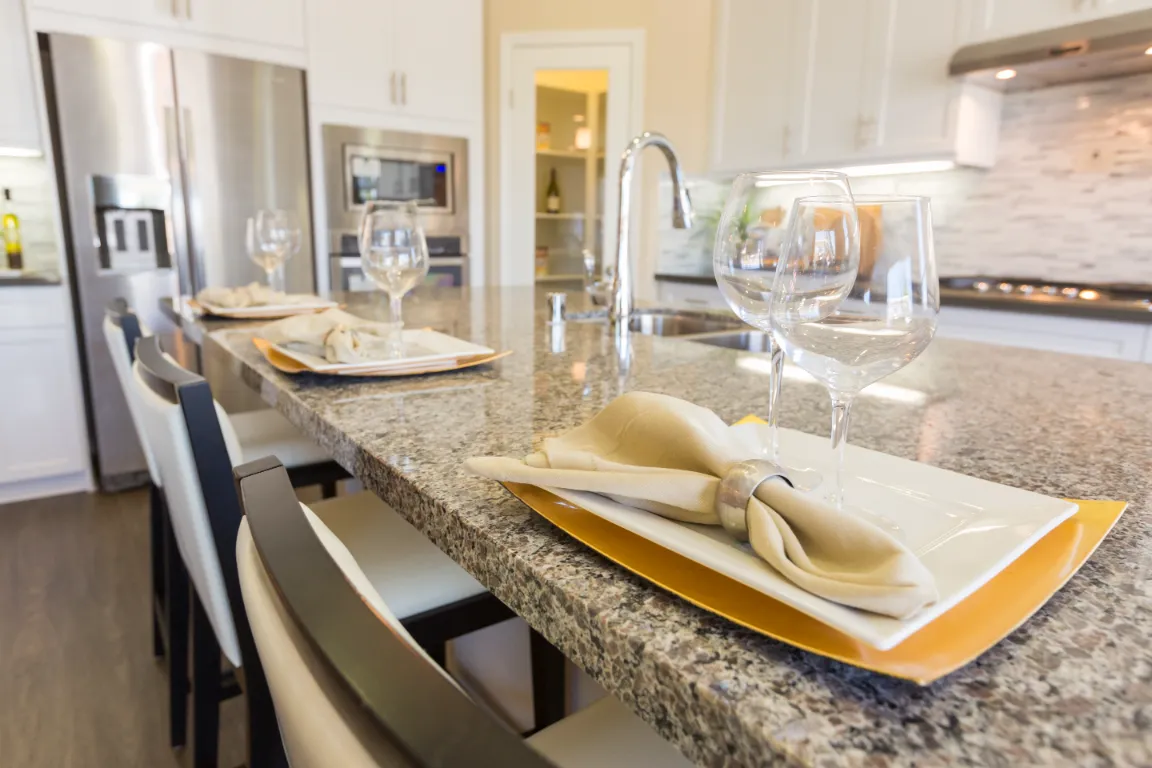
The visual appeal of your countertops plays a significant role in the overall feel of your kitchen or bathroom. Granite offers one-of-a-kind patterns and natural beauty that cannot be replicated. Because it’s a natural stone, no two slabs are identical, giving you a truly custom look. Quartz, being a man-made material, allows for precise control over its appearance. This means you can select from patterns that mimic natural stone or opt for bold, modern designs with consistent coloration. Whether you prefer organic unpredictability or refined uniformity, your style preference may sway your decision.
Granite’s Natural Beauty
Granite’s variations in color and veining make each slab a work of art. Homeowners who appreciate uniqueness often gravitate toward granite for its organic, timeless look.
Quartz’s Versatile Designs
Quartz can be manufactured in nearly any shade or style, from classic marble-like veining to sleek, minimalist tones, offering unmatched design flexibility.
Durability of Granite vs Quartz Countertops
When it comes to strength, both materials are highly durable. Still, they differ slightly in their ability to withstand daily wear and tear. Granite is a tough and heat-resistant material, making it ideal for busy kitchens. However, it is porous, meaning it can absorb liquids and potentially stain if not sealed regularly. Quartz is also powerful, with the addition of resin making it non-porous and resistant to stains. That said, quartz is slightly more susceptible to heat damage compared to granite, meaning hot pots should be placed on trivets rather than directly on the surface.
Granite’s Strength in High-Heat Environments
Granite’s natural formation makes it highly resistant to heat, allowing you to place hot cookware directly on its surface without risk of burning.
Quartz’s Stain Resistance
Because quartz is non-porous, it resists staining from coffee, wine, and oils, making it a low-maintenance choice for households concerned about spills.
Maintenance Needs for Granite vs Quartz Countertops
Maintaining your countertops is a crucial factor in achieving long-term performance and beauty. Granite requires periodic sealing, typically once a year, to protect against staining and the growth of bacteria. Without proper sealing, liquids can seep into the stone’s pores, causing discoloration. Quartz requires minimal maintenance, with routine cleaning using mild soap and water being sufficient for its upkeep. Since it’s non-porous, there’s no need for sealing, and it naturally resists bacteria and mold. If you prefer minimal upkeep, quartz often has the advantage, but granite’s maintenance is still manageable for most homeowners.
Cost Considerations for Granite vs Quartz Countertops
The cost of granite vs quartz countertops depends on the quality, style, and complexity of installation. Both fall into the premium price range for countertop materials, but granite often has a slightly wider range of pricing due to natural variations and sourcing. Lower-end granite can sometimes be more affordable than high-end quartz, but exotic granite slabs can exceed the cost of most quartz options. Quartz pricing tends to be more predictable since it’s manufactured, and the price per square foot is usually consistent across colors and patterns. Installation costs for both are comparable and typically require professional handling due to the weight and precision involved.
Granite’s Price Variability
Granite prices can vary significantly depending on rarity, color, and country of origin, offering buyers a range of options from budget-friendly to high-end luxury.
Quartz’s Consistent Pricing
Quartz generally has a more predictable price range, making it easier for homeowners to plan their renovation budget without surprise costs.
Environmental Impact of Granite vs Quartz Countertops
Sustainability is becoming an essential factor for many homeowners. Granite is a natural resource that must be quarried, which can have environmental impacts depending on the mining practices employed. However, granite’s long lifespan can offset its ecological footprint, as it rarely needs replacement. Quartz is engineered using a combination of natural quartz and synthetic resins. The manufacturing process requires energy and resources but often incorporates recycled materials. Both can be considered sustainable choices if sourced responsibly, and many suppliers now follow eco-friendly production and transportation methods.
Granite’s Longevity as a Sustainable Advantage
Granite’s durability means it can last for decades, reducing the need for replacement and lowering long-term environmental impact.
Quartz’s Use of Recycled Materials
Some quartz brands utilize post-consumer recycled glass or stone, incorporating an eco-friendly component into their manufacturing process.
Resale Value and Market Appeal of Granite vs Quartz Countertops
Countertops play a significant role in determining a home’s value, and both granite and quartz are highly desirable in the real estate market. Buyers often view granite as a luxurious, timeless upgrade, while quartz is praised for its low maintenance and modern look. The choice between the two can depend on regional preferences—some markets value the uniqueness of granite, while others lean toward the sleek consistency of quartz. Regardless of choice, installing either material can significantly enhance your home’s resale potential.

Performance in High-Traffic Areas
If your kitchen sees heavy daily use, durability and maintenance become even more critical. Granite’s heat resistance and hardness make it excellent for homes where cooking is frequent and surfaces are subjected to more wear and tear. Quartz’s non-porous quality is ideal for families concerned about spills, stains, and bacterial growth. The right choice depends on whether you prioritize heat tolerance or minimal upkeep in high-traffic conditions.
Granite for Frequent Cooking
Granite’s ability to withstand hot cookware and heavy use makes it an ideal choice for home chefs who cook daily and require a reliable surface.
Quartz for Spill-Prone Environments
With its resistance to stains and easy-to-clean surface, quartz is well-suited for households with children or frequent entertaining.
Design Trends Influencing Granite vs Quartz Countertops
Home design trends can also influence your decision. Granite remains a popular choice in traditional and transitional kitchens, where its natural veining complements classic cabinetry. Quartz has surged in modern and contemporary spaces due to its clean, uniform appearance and wide range of colors. Designers often choose quartz for minimalist spaces and granite for rooms aiming for a warm, organic feel.
Long-Term Maintenance Tips for Granite vs Quartz Countertops
Choosing a countertop is only part of the equation—how you care for it will determine how well it ages over the years. Granite and quartz both have excellent lifespans, but their upkeep requirements differ. Granite benefits from routine sealing to maintain its resistance to stains and bacteria. Even though this process only needs to be done once a year, it’s a step that can’t be skipped if you want to preserve its natural beauty. Quartz, with its non-porous surface, does not require sealing and can be maintained with simple cleaning using mild soap and warm water. However, homeowners should still be cautious with abrasive cleaners or harsh chemicals, as they can dull the finish over time. Regardless of which material you choose, treating the surface gently and addressing spills immediately will help maintain its original condition for decades.
Common Misconceptions About Granite vs Quartz Countertops
There are several myths surrounding both granite and quartz that can make the decision process more confusing. By separating fact from fiction, homeowners can make a more informed choice without being swayed by outdated or misleading information. By understanding and challenging these misconceptions, you can weigh the real pros and cons of granite vs quartz countertops without being influenced by outdated information. Both materials have earned their reputation as premium countertop choices for good reason, and the right decision ultimately comes down to your personal preferences, lifestyle needs, and design goals.
“Granite Is Too Fragile for Everyday Use”
While granite is natural stone, it is far from fragile. In reality, it is one of the hardest materials available for countertops, capable of withstanding heavy daily use when properly cared for.
“Quartz Can Withstand Any Heat”
Although quartz is incredibly durable, it is not as heat-resistant as granite. The resins used in manufacturing can discolor or crack if exposed to extreme temperatures, which is why trivets are recommended.
“Granite Always Requires High Maintenance”
Granite’s need for sealing is often exaggerated. Annual sealing is quick, inexpensive, and easy for most homeowners, making granite far less demanding than some might believe.
“Quartz Looks Too Artificial”
Modern quartz manufacturing has advanced to the point where many patterns closely mimic the look of natural stone. For some homeowners, the visual difference is barely noticeable.
Making the Final Choice Between Granite vs Quartz Countertops
Deciding which countertop material is better for your home comes down to lifestyle, aesthetic preferences, and maintenance tolerance. If you love natural variation, heat resistance, and a timeless feel, granite may be the perfect fit. If you value low maintenance, consistent color, and a modern look, quartz might be the better option. By weighing the pros and cons of granite vs quartz countertops, you can make a choice that suits your daily habits and enhances the beauty of your home for years to come.
Granite vs. Quartz: Choosing the Best Fit for Your Home
There’s no universal answer to whether granite or quartz is better—it’s about aligning the material’s qualities with your needs. Granite offers unmatched natural beauty and durability for heat-intensive kitchens, while quartz delivers low-maintenance elegance with consistent styling. By considering cost, upkeep, style, and how you use your kitchen or bathroom, you can confidently select the countertop that will best serve your home for years to come. Ultimately, the best choice in the granite vs. quartz countertop debate is the one that complements your personal taste and lifestyle.
Visit our Hardwood Galleria Design Center blog to discover more about the costs and benefits of each material.