Some home upgrades feel personal. Others feel permanent. Solid hardwood flooring checks both boxes. It’s the kind of change you think every day underfoot and still appreciate after decades. You either go for timeless value or settle for shortcuts that wear out fast.
What Makes Solid Hardwood Flooring Stand Out?
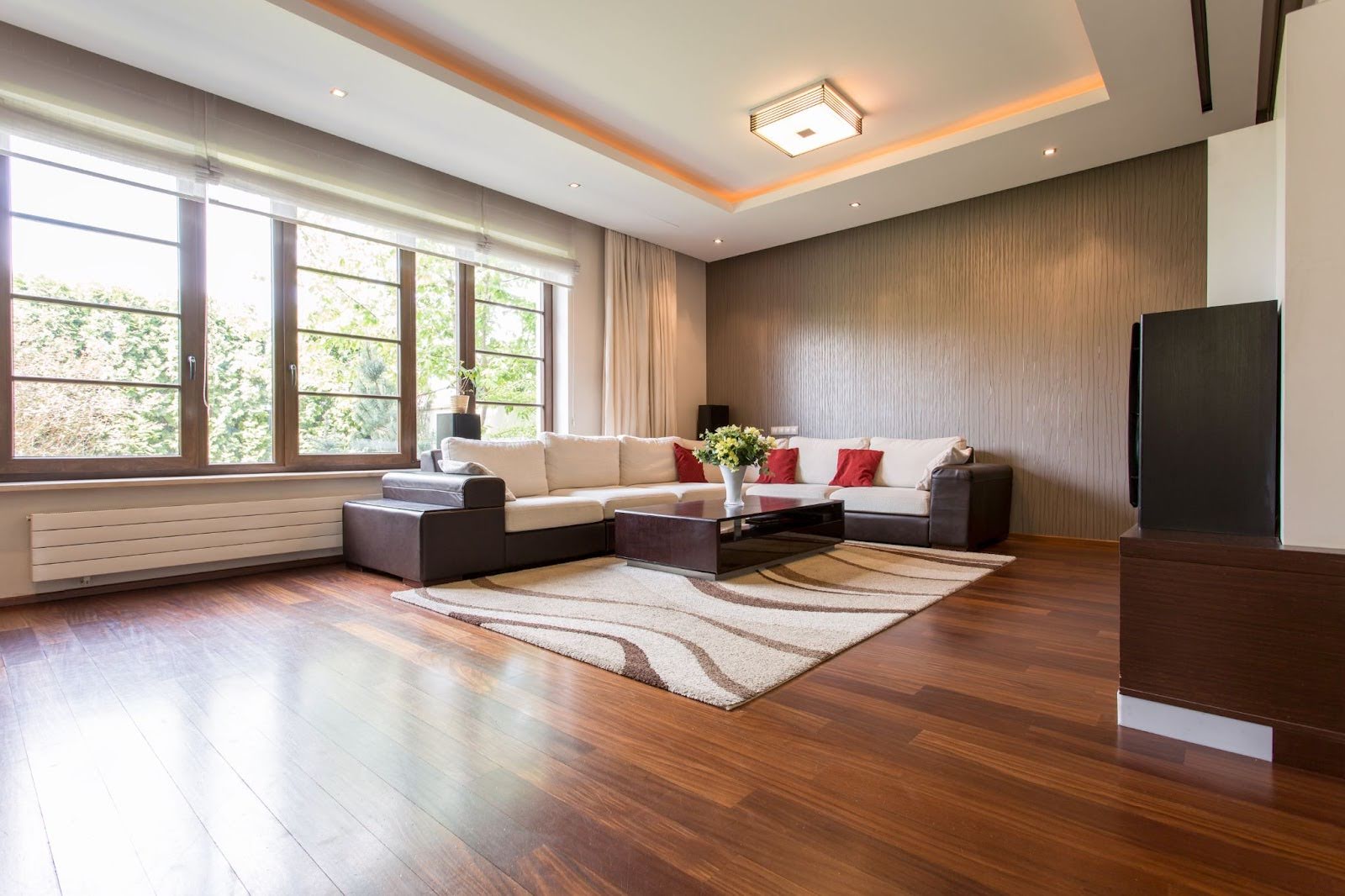
Solid hardwood flooring brings depth, texture, and warmth into your space. It creates a natural atmosphere that synthetic alternatives often try to mimic. Over time, it develops a patina that adds character, not wear. And unlike factory-finished floors, no two boards are identical.
Natural Beauty That Doesn’t Fade Over Time
Solid hardwood isn’t just lovely; it grows more beautiful over time. Sunlight, daily use, and even tiny scratches contribute to a rich, lived-in charm. It doesn’t wear out; it wears in. Other materials often show age as damage, but hardwood ages with grace. That’s why older homes with original wood flooring tend to feel more grounded. The floors carry stories, not just scuffs.
Every Plank is Unique, Just Like Your Space
Each board of solid hardwood has its grain and shade. Even within the same species, no two planks are exactly alike. This organic variation adds texture to your interior without feeling chaotic. The effect is warm, lived-in, and effortless. It adapts to styles from farmhouse to modern minimal. And you never get that printed-on, repetitive look you see with synthetic floors.
Comfort and Warmth You Can Feel Underfoot
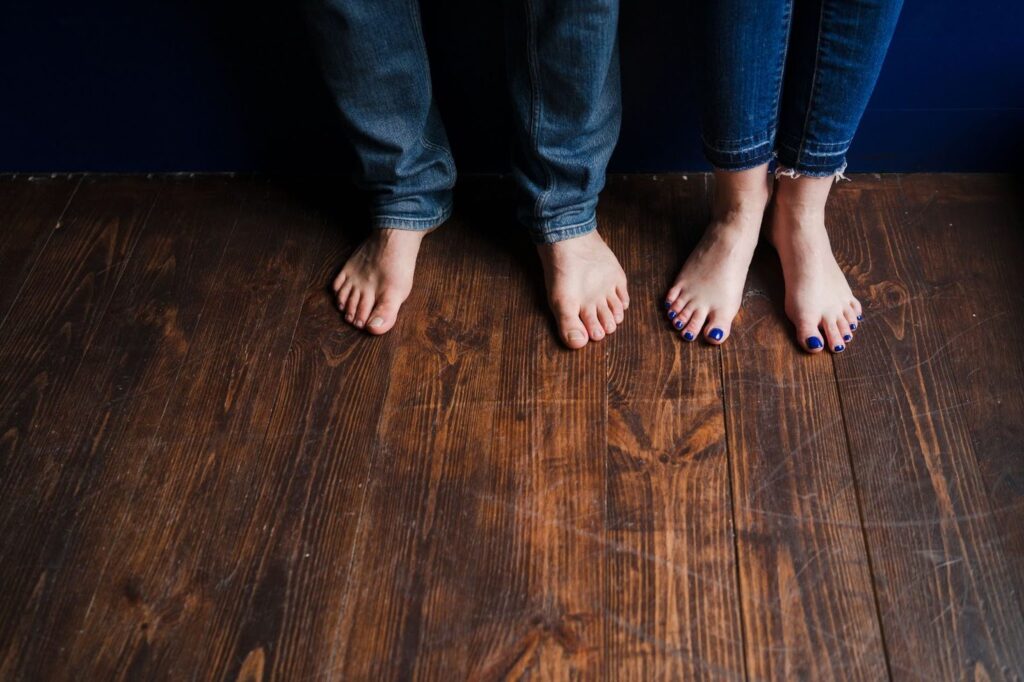
Unlike tile or stone, hardwood naturally retains heat. It is comfortable to walk on even in cooler months. With rugs or underfloor heating, it becomes even cozier. It also dampens noise better than laminate or vinyl. Acoustic softness is particularly important in homes with children, pets, or multi-story layouts. Walking barefoot on solid hardwood feels right.
Solid Hardwood Flooring vs. Other Flooring Types
Choosing between flooring types isn’t just about looks. Durability, value, and feel all matter as well. Solid hardwood sets a different standard across those metrics. The contrast becomes clear when you compare it to the alternatives.
Engineered Wood: Looks Similar, Ages Differently
Engineered wood features a thin real wood top layer. It can only be sanded once or twice before wearing through. That limits how long it lasts compared to solid hardwood. It’s more stable in humid areas but less adaptable in the long run. For true longevity, solid wood always wins. It’s built to be restored, not replaced.
Laminate and Vinyl: Lower Cost, Lower Reward
Laminate and vinyl can replicate the look of wood, but not its feel. They’re made of compressed materials topped with a printed image layer. While they may be cheaper upfront, they scratch, warp, and dull quickly. Once worn, you can’t refinish them. Over time, frequent replacements erase the cost savings. What appears to be a deal often becomes a cycle of repeat spending.
Tile and Carpet: Different Worlds, Different Payoffs
Tiles are cold and hard, while carpets trap allergens and stains. Neither offers the warmth, durability, or visual appeal of solid wood. While tile works well in bathrooms, it lacks the comfort of hardwood elsewhere. The carpet wears unevenly and holds odors. Solid wood, meanwhile, stays timeless through style shifts and seasons.
Long-Term Value of Solid Hardwood Flooring
Installing solid hardwood flooring isn’t just a home upgrade. It’s a long-range investment in your property’s future. From home resale to durability, it pays off in multiple ways. That’s why it remains at the top of buyer wish lists.
Real Estate Boost: Buyers Want the Real Thing
Homes with hardwood floors sell faster and for more money. Buyers see real wood as a premium feature, not a luxury add-on. It signals quality and care, even in older homes. Many realtors list hardwood floors as a key selling point. That edge makes offers more competitive. You’re not just improving your space but your future payout.
Lifespan That Stretches Across Generations
Solid hardwood can last a century or more when maintained. That’s far beyond the average lifespan of engineered floors or vinyl. It doesn’t become outdated, either. The same oak floors that suited homes in the 1920s still feel right. You don’t have to update hardwood to keep it current. It moves with the times, rather than against them.
Resale Edge: Higher Offers and Faster Closings
Buyers don’t just look at kitchens and bathrooms; they also consider other key areas. They notice the flooring. Solid hardwood often tips the decisions in tight markets. It’s a detail that instantly raises perceived value. Some buyers even waive contingencies when they see the original hardwood. That alone can shorten closing times and improve your leverage.
Solid Hardwood Flooring’s Durability and Maintenance Costs
Some people worry that hardwood will be too delicate. That fear usually comes from misunderstanding. Solid hardwood is resilient and easy to maintain. It just needs the proper care, not constant stress.
Daily Care is Simpler Than You Think
A soft broom, a vacuum, and a damp mop go a long way. You don’t need special cleaners every day. Avoid soaking the boards, and use pads on the legs of the furniture to prevent damage. That’s it. With these habits, you’ll protect your floor without fuss. Over time, upkeep feels less like a chore and more routine.
Refinishing vs. Replacing: One Wins Every Time
Unlike other materials, solid hardwood can be sanded and refinished. You can erase scratches, remove stains, or restore shine. It gives your floor a fresh start without replacing a single board. That saves money over time. Instead of ripping out and reinstalling, you just reset the clock. Few other floors offer that level of flexibility.
How Pets, Kids, and Life Affect Your Floors
Pets and kids can be rough on floors, but solid hardwood can withstand the wear and tear. Claws may scratch the surface, but those can be refinished. Dropped toys and spills might mark it, but they rarely destroy it. High heels and moving furniture leave dents, but those dents tell stories. And unlike vinyl, it won’t peel, tear, or bubble.
When Solid Hardwood Flooring Might Not Be Ideal
Not every situation suits hardwood. Environmental factors, financial timing, or short-term use can all play a role. Understanding these limits helps you make a more informed decision. It’s not about discouragement; it’s about clarity.
Climate and Humidity Can Shift the Game
Hardwood expands and contracts in response to changes in moisture levels, making it less suitable for use in humid or dry climates. Gaps can form in winter, and swelling may occur in summer. However, these issues are manageable with a well-maintained HVAC system. Proper installation also helps reduce shifting. In problem areas, engineered wood might be the safer bet.
Budget Projects and Short-Term Living Situations
If you’re flipping a home or moving soon, solid hardwood may not be the best choice. The upfront cost may not always yield a return in the short term. Budget-conscious remodels often benefit more from engineered or vinyl. It’s about what you’ll gain before moving out. For extended stays, hardwood makes sense. For fast exits, go practical.
Fast Turnarounds or Rental Units: A Different Strategy
Landlords often avoid solid hardwood due to maintenance concerns, and tenants may not treat the flooring with the same care. In high-turnover properties, durable vinyl or tile may be a smarter choice. The cost-to-return ratio works better in those cases. However, high-end rentals can still benefit from hardwood as a luxury feature.
Solid Hardwood Flooring’s Cost Breakdown and Real Value
Installing solid hardwood isn’t just about the boards. The full price includes several layers of cost. Knowing where your money goes helps with better planning and reveals why quality matters.
Material, Labor, and Finishing
Hardwood boards vary in price by species and grade. Then there’s the labor: prepping subfloors, laying planks, sanding, staining, and sealing. Finishes protect the wood and determine how it wears over time. None of these steps can be rushed. Cutting corners here invites future problems. That’s why expert installation is worth the price.
Customization Costs More
Wider planks, exotic woods, and custom stains raise costs. But they also create results you can’t get from off-the-shelf options. You’re paying for craftsmanship and design. The end product fits your home like a tailored suit. And it won’t look like anyone else’s floor.
Cheap Installers Can Cost You Double Later
Low bids often indicate poor preparation or rushed jobs, resulting in uneven boards, squeaks, or moisture damage. Fixing bad installs can cost more than doing it right the first time. Ask for references and past work. Ensure your installer works with hardwood frequently, not just occasionally.
Choosing the Right Species for Solid Wood Flooring
Not all solid hardwood floors are created equal. Each species has its grain, tone, hardness, and maintenance needs. Your lifestyle, budget, and design taste all shape what fits best. Understanding how different woods perform helps you avoid costly regrets.
Oak: Durable, Affordable, and Widely Loved
Oak is the most popular hardwood in North America for good reason. It’s durable, easy to stain, and available in red or white varieties. Red oak has a warmer tone, while white oak has a cooler and denser tone. Both hold up well under foot traffic and resist dents better than softer woods. Oak takes stain evenly and adapts to a range of styles. It’s the go-to option for value and versatility.
Maple: Smooth Grain and Modern Looks
Maple has a lighter, more contemporary look. Its smooth grain offers a clean surface, making it ideal for modern or Scandinavian interiors. While it’s harder than oak, it can be less forgiving when it comes to stains. Uneven coloring sometimes shows through, especially with dark finishes. That said, natural maple has a fresh, bright tone that many people love. It also resists wear well in busy households.
Hickory: Rustic Feel With Extra Toughness
Hickory is one of the hardest domestic woods available. Its bold, varied grain brings a rustic, rugged vibe. This species suits farmhouse, industrial, or rugged design themes. Its strength makes it ideal for active homes with pets or kids. However, its dramatic pattern isn’t for everyone. Staining hickory can also be tricky, so many prefer it in its natural state.
Exotic Woods: Stunning but Harder to Match or Repair
Brazilian cherry, teak, and mahogany add rich color and exotic appeal. They’re dense, durable, and often more expensive than domestic woods. These species offer striking beauty but come with trade-offs. Sourcing can be inconsistent, making repairs more challenging if boards need to be replaced. Additionally, matching the sheen or tone later on can be difficult. For luxury spaces, exotic woods are a shining choice, but maintenance and cost should be considered as part of the decision.
Make Solid Hardwood Flooring Your Next Smart Move
Every day you wait is another day spent walking on a floor that won’t last. Solid hardwood flooring doesn’t just enhance your home’s appearance; it transforms the way you live. It’s an upgrade that pays you back in comfort, value, and peace of mind. It is the place to start if you aim for something real, reliable, and lasting.
Discover tips, trends, and timeless advice on the Hardwood Galleria Design Center blog.