
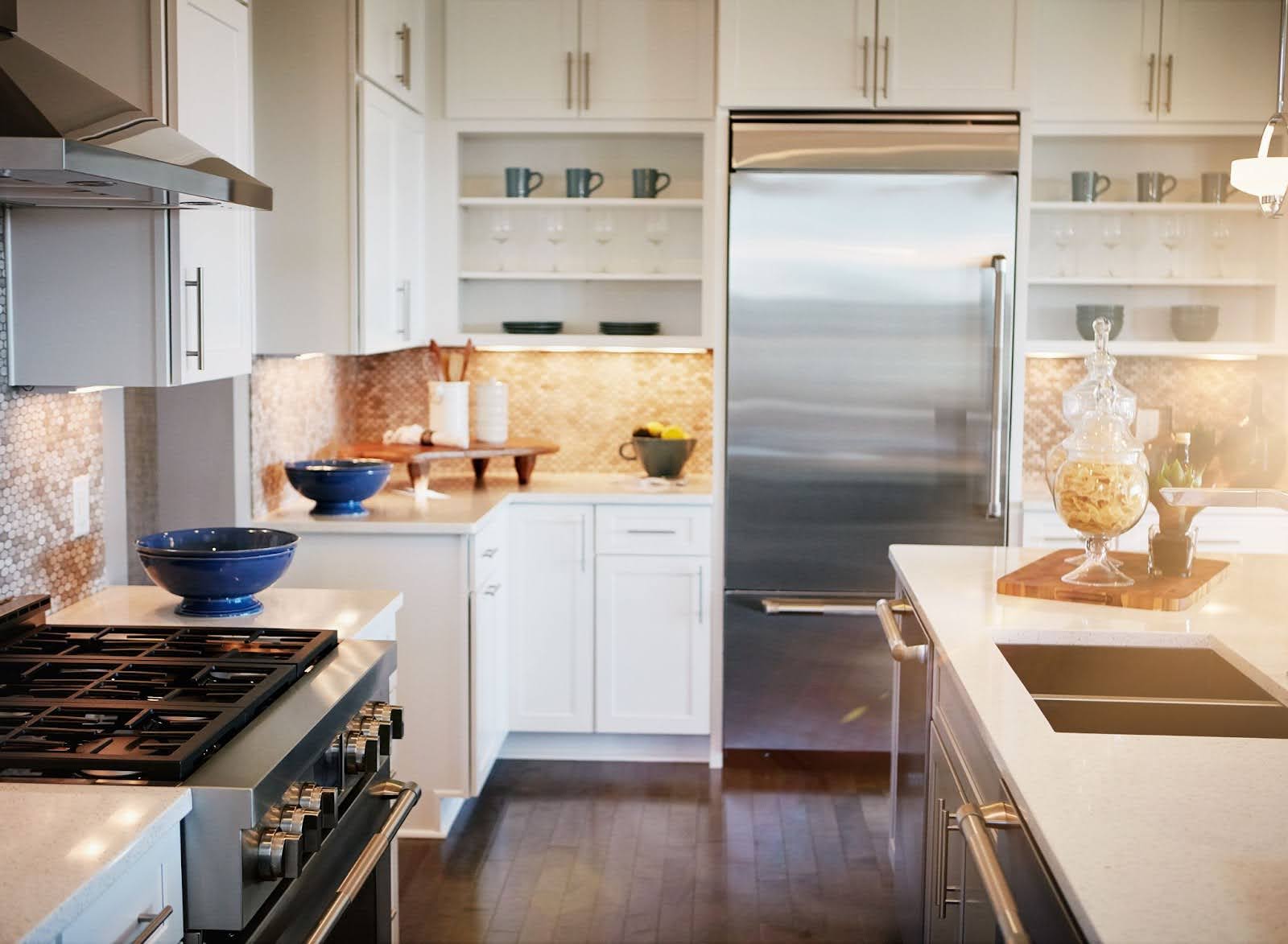
Kitchen cabinets do more than store dishes—they define the entire layout and atmosphere. Their lines guide circulation, establish focal points, and influence how smoothly you cook and clean. When planning, think about how you move through the space daily and design cabinetry that supports those habits. The right foundation creates a kitchen that feels intentional and works effortlessly.
Understanding Construction Quality in Kitchen Cabinets
Durability starts with cabinet construction. Lower-end cabinets often rely on thin particleboard and staples, which can wear down quickly. In contrast, higher-quality kitchen cabinets feature plywood boxes, dovetail or dado joints, and full backs that resist racking. Hardware matters too: soft-close hinges and full-extension glides reduce stress on the cabinets and make everyday use easier. Investing in strong construction ensures your cabinets last for decades, not just years.
Framed vs Frameless Kitchen Cabinets
Framed cabinets use a front frame for support and a more traditional aesthetic, while frameless (European-style) cabinets offer sleek lines and maximize interior storage. Framed systems can be more forgiving during installation, while frameless options demand precision but reward you with seamless modern design. The choice depends on your style preference and storage needs, but either can perform beautifully when installed correctly.
Door Styles Define the Look of Kitchen Cabinets
The cabinet doors set the tone of the kitchen. Shaker doors bring timeless appeal, slab fronts read modern, beadboard suggests cottage charm, and raised panels lend formality. The proportions of rails and stiles, along with the finish you choose, further shape the character of the space. Because cabinet doors are the most visible element, selecting the right style is essential for aligning the kitchen with your design vision.
Finish Options for Kitchen Cabinets
The finish you choose for your kitchen cabinets sets the tone for the entire space. Beyond aesthetics, it also influences durability, ease of cleaning, and the cabinets’ aging over time.
Endless Color Choices
Paint provides flexibility in design, with smooth finishes that work in both traditional and modern spaces. This option is also easier to refresh later if you want to change the color scheme.
Grain and Warmth
Wood finishes celebrate organic character, with stains that can either emphasize or soften natural patterns. They add timeless appeal and bring warmth that connects well with natural stone or metal finishes.
Sheen Levels Affect Look
Matte hides fingerprints but may scuff, satin balances durability and softness, while semi-gloss brightens but shows flaws. Choosing the right sheen depends on your lifestyle and how much wear the cabinets will face daily.
Factory Finishes
Controlled application methods and protective coatings make factory-applied finishes more durable than site painting. These finishes resist chipping and fading better, giving your investment a longer-lasting return.
Kitchen Cabinets Built for Organized Living
Behind the doors, storage features make a huge difference. Deep drawers replace awkward lower shelves, pull-outs prevent clutter, and dividers organize trays and cutting boards. Corner solutions reclaim dead space, while pull-out trash bins streamline cleanup. Well-planned interior fittings transform kitchen cabinets into highly functional tools, not just storage boxes.
Kitchen Cabinets That Improve Space Planning and Workflow
Zoning cabinetry around tasks makes a kitchen more efficient. Keep prep tools near counters, cookware close to the range, and dishware by the dishwasher for quick unloading. Tall pantry cabinets around the fridge create easy grocery storage, while dedicated beverage zones add convenience for entertaining. Kitchen cabinets that support workflow eliminate unnecessary steps and keep the space comfortable, even with multiple cooks.
Budgeting for Kitchen Cabinets
Cabinetry is often the most expensive part of a remodel, so smart budgeting matters. Prioritize construction quality and essential storage features first. Save costs by limiting custom widths, using fillers where needed, or incorporating a mix of open shelving with cabinets. Choosing catalog paint colors instead of custom hues can also cut expenses. Even with budget-friendly strategies, well-built kitchen cabinets provide long-term value.
Ordering Kitchen Cabinets Starts With Proper Measuring
Precise measurements are crucial to avoid costly mistakes. Measure ceiling height, wall plumb, appliance clearances, and door and window casings. A professional measure ensures accuracy. Before ordering, review detailed drawings that confirm hinge directions, filler placements, and toe-kick dimensions. Double-checking on paper saves headaches during the installation process.
Kitchen Cabinets That Shine With Proper Installation
Even the highest-quality kitchen cabinets can fall short if installation is sloppy. Attention to detail during setup ensures that the final result looks seamless and functions properly.
Leveling and Anchoring
Cabinets must be carefully leveled, shimmed, and anchored into studs to guarantee stability. Without this foundation, doors won’t align and countertops may develop gaps over time.
Consistent Reveals
Aligning cabinet doors and drawers with even spacing gives the entire kitchen a cohesive appearance. Small adjustments make a big difference in the overall polish of the design.
Scribing Fillers
Walls and ceilings are rarely perfectly straight, so fillers must be scribed to match. This technique avoids awkward gaps and makes cabinetry look like it belongs to the space.
Professional Installers
Experienced installers handle these fine details with precision, ensuring smooth doors and tight seams. Their expertise can transform standard cabinets into a tailored, high-end design.
Hardware and Accessories for Kitchen Cabinets
Handles, knobs, and pulls affect both style and usability. Long pulls suit wide drawers, while small knobs complement classic doors. Hardware finishes—brass, nickel, matte black—add personality and tie the design together. Inside the cabinets, small upgrades like tip-out trays or soft-close hinges enhance everyday convenience. Hardware choices are the finishing touch that can transform the look and feel of your cabinets.
Brightening Spaces With Kitchen Cabinets and Lighting
Cabinetry shapes light and shadow, so pairing it with the right lighting matters. Under-cabinet LEDs brighten work surfaces, while in-cabinet lighting turns glass-front uppers into display features. Toe-kick lighting doubles as subtle night lighting. Planning wiring early ensures the cabinets are ready to accommodate these features seamlessly.
Appliance Integration With Kitchen Cabinets
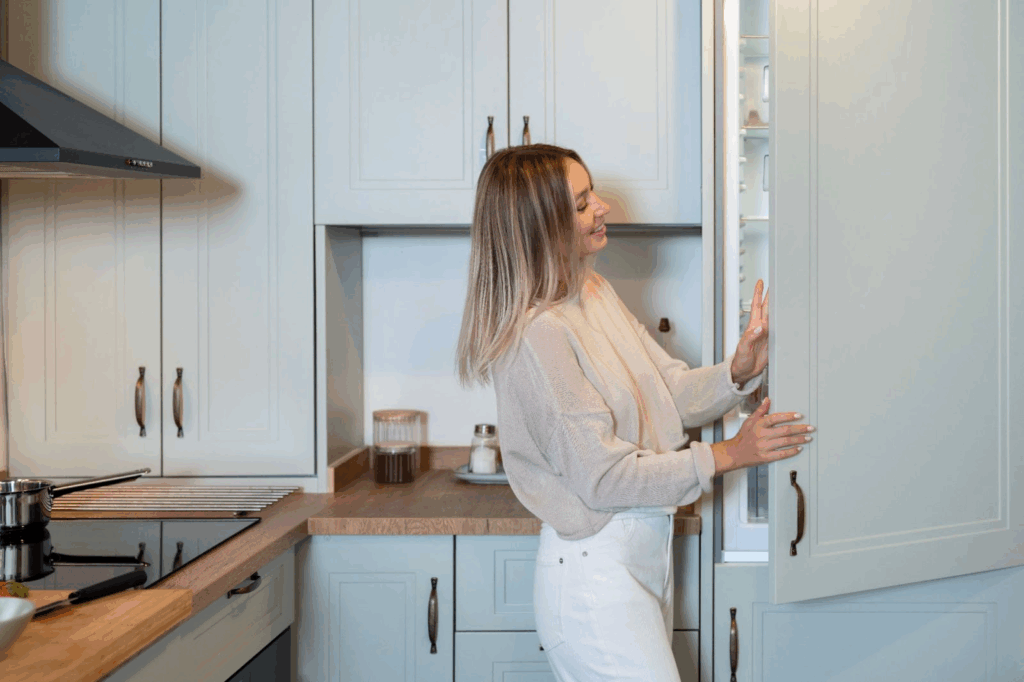
Panel-ready appliances allow for doors that match your cabinetry, creating a clean, cohesive look. Refrigerators, dishwashers, and even range hoods can be concealed with cabinetry panels. Appliance integration isn’t just aesthetic—it reduces visual clutter and enhances flow. Pairing appliances with kitchen cabinets also increases the sense of luxury in the design.
Balancing Trends and Timelessness in Kitchen Cabinets
Trends can make a kitchen feel fresh, but going all-in risks a dated look. Striking the right balance ensures your kitchen feels stylish today and appealing years from now.
Using Trends Sparingly
Apply bold colors or finishes to an island or accent cabinets instead of the entire kitchen. This approach lets you refresh the look without a full remodel.
Relying on Classic Profiles
Shaker doors, neutral tones, and clean lines remain popular across decades. Choosing these timeless elements gives your cabinets staying power.
Adding Personality Wisely
Wood accents, unique hardware, or bold interior finishes add character. These small touches personalize your kitchen without overwhelming it.
The Resale Impact of Quality Kitchen Cabinets
Buyers notice quality cabinetry. Features like aligned reveals, soft-close drawers, and durable finishes send a message of care and craftsmanship. Because kitchens heavily influence resale decisions, investing in durable and stylish cabinets often results in higher offers and faster sales. Choosing the right kitchen cabinets is not just about daily enjoyment but also about long-term property value.
Mistakes to Avoid With Kitchen Cabinets
Kitchen cabinets are a major investment, and a few common mistakes can undermine both function and style. Avoiding these pitfalls ensures your kitchen works well for years to come.
Skimping on Storage
Underestimating drawer space often leads to clutter and frustration. Planning for deep drawers and organizers keeps essentials within easy reach.
Overlooking Accessories
Pull-outs, dividers, and specialty inserts may seem optional, but they transform daily usability. Without them, cabinets become wasted or awkward space.
Choosing Cheap Hardware
Low-quality knobs, pulls, and hinges wear quickly and compromise performance. Investing in durable hardware extends the life of your cabinets.
Following Trends Blindly
Covering every cabinet in a bold color or style can feel dated fast. Use trends sparingly and rely on timeless finishes for most of the space.
Ignoring Layout
A poor cabinet layout creates workflow problems that no finish can fix. Prioritizing efficiency in the design stage saves daily frustration.
How Kitchen Cabinets Tie the Whole Kitchen Together
When construction, layout, finishes, hardware, and lighting work in harmony, the kitchen feels effortless. Kitchen cabinets are the backbone of this design synergy. By planning carefully, investing wisely, and balancing trends with timeless elements, you’ll create a kitchen that not only looks beautiful but also performs brilliantly for years to come.To learn more about what to know before choosing new kitchen cabinets, visit our Hardwood Galleria Design Center blog.
