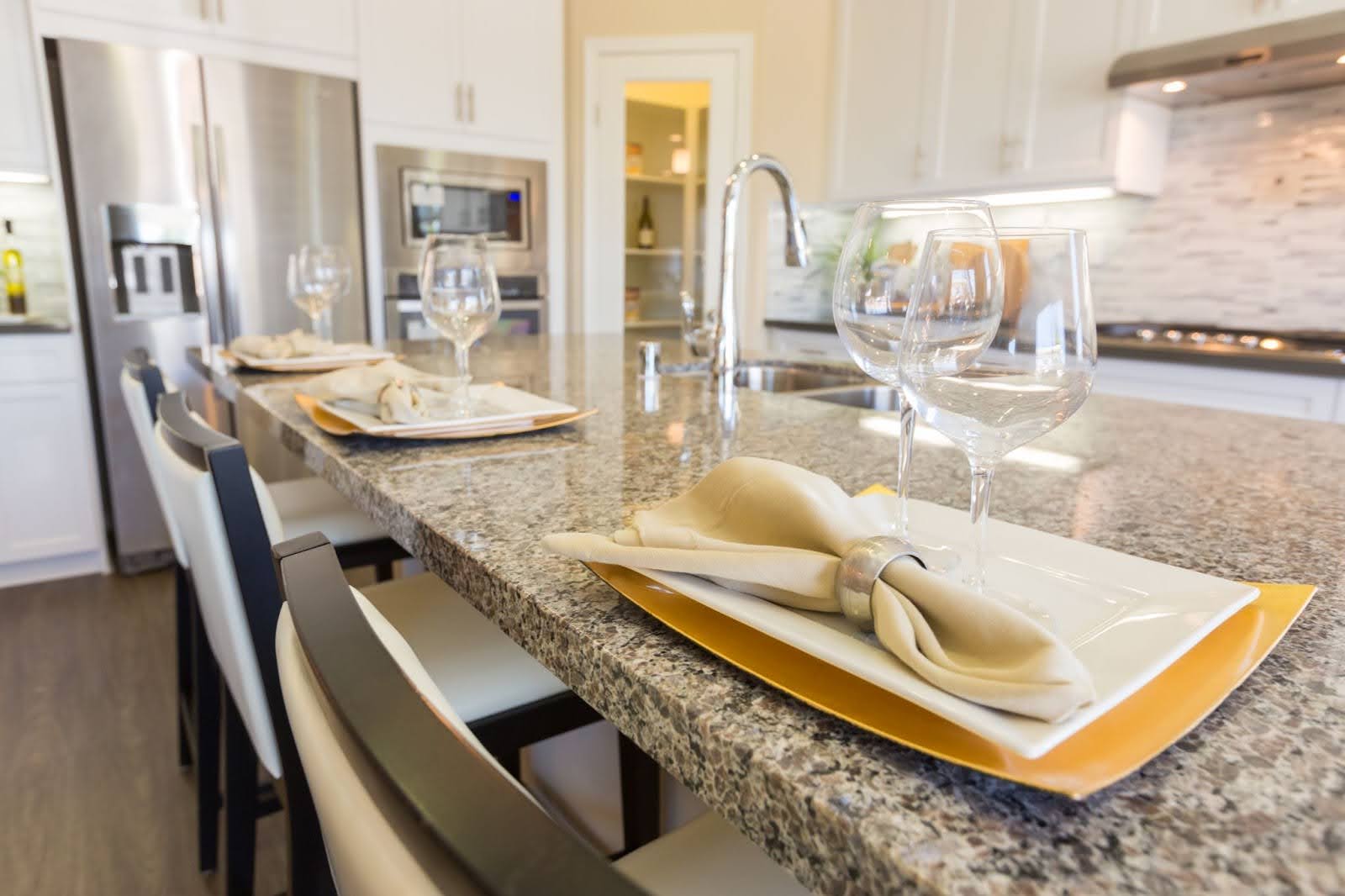
Open any design magazine and you’ll notice a throughline in standout kitchens: a surface with movement, depth, and uniquely organic patterning. Granite countertops deliver that effect better than almost any other material. Each slab is a natural composition of minerals—quartz, feldspar, mica—that create veins, speckles, and crystalline flashes you simply can’t fake. Because no two slabs are identical, your kitchen gains a one-of-a-kind signature that elevates everything around it, from cabinet color to hardware finish. That individuality is a big reason homeowners and designers keep returning to granite decade after decade.
Lasting Strength of Granite Countertops in Daily Use
Kitchens are high-impact zones, and surfaces need to keep up. Granite countertops are among the hardest natural stones in residential design, standing up to chopping boards, shifting appliances, and the occasional dropped utensil. Their compressive strength resists everyday wear, and when sealed correctly they repel most spills before they can soak in. Whether your household is a flurry of weeknight meals or an occasional chef’s stage on weekends, granite’s toughness means fewer worries and a longer refresh cycle.
Granite Countertops Balance Heat Resistance With Practical Care
One reason cooks love granite is its natural heat resistance. Setting a warm pan on the counter for a moment won’t cause panic the way it might on laminate or some engineered materials. That said, practical care still matters. Trivets and hot pads are smart habits that preserve the finish over time and protect sealer performance at the surface. Used thoughtfully, granite countertops offer the best of both worlds: the confidence to cook freely and the longevity that keeps your kitchen looking sharp.
Keeping Granite Countertops Protected Through Sealing
Sealing is simple and widely misunderstood. Modern penetrating sealers soak into microscopic pores, making it harder for oils, wine, or coffee to discolor the stone. Application is typically a wipe-on, wipe-off process you can do in an afternoon, with many formulas lasting one to several years depending on use. The quick test is easy: place a few drops of water on the surface; if they darken the stone after a few minutes, it’s time to reseal. With that minimal routine, granite countertops stay resilient and easy to maintain.
Granite Countertops Bring Design Versatility From Classic to Contemporary
Granite isn’t confined to the high-contrast, speckled looks of decades past. Today’s quarries yield soft, honed finishes and quiet, linear patterns that suit modern minimalism as well as richly veined slabs that echo luxury stone. Warm creams, cool grays, inky charcoal, and even near-black options make it simple to align with any palette. Finish choices—including polished for a reflective glow or honed for a matte, velvety touch—let you fine-tune the mood. That flexibility is why granite countertops work as well in a sun-washed coastal kitchen as they do in an urban loft.
Designing Cohesive Kitchens With Granite Countertops Cabinets and Backsplashes
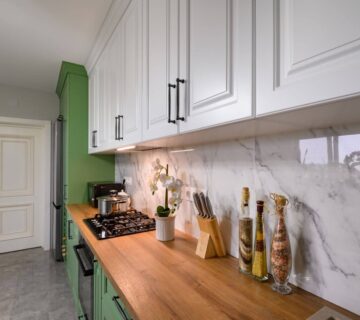
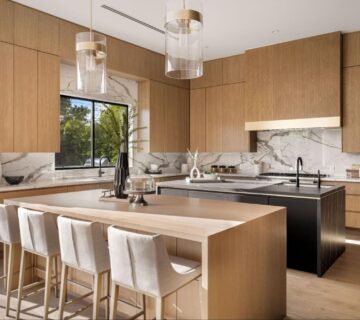
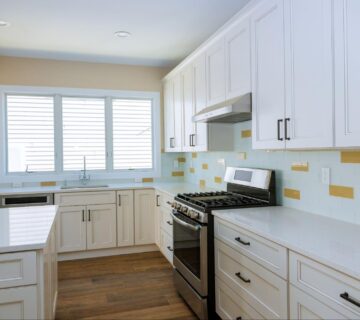
The easiest way to create a cohesive kitchen is to repeat tones and textures across surfaces. Granite countertops can pick up the caramel streaks in white oak cabinetry, echo the charcoal flecks of slate-look tile, or bridge white shaker doors and a bold, artisan backsplash. If your slab is visually active, consider a simpler backsplash tile to let the stone lead. If the granite is quieter, a patterned tile or metal accent can provide contrast. Thoughtful pairing ensures the countertop feels integrated rather than isolated.
Granite Countertops Edge Profiles and Details That Matter
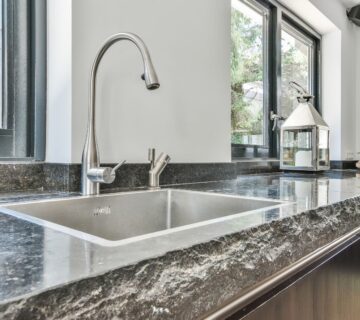
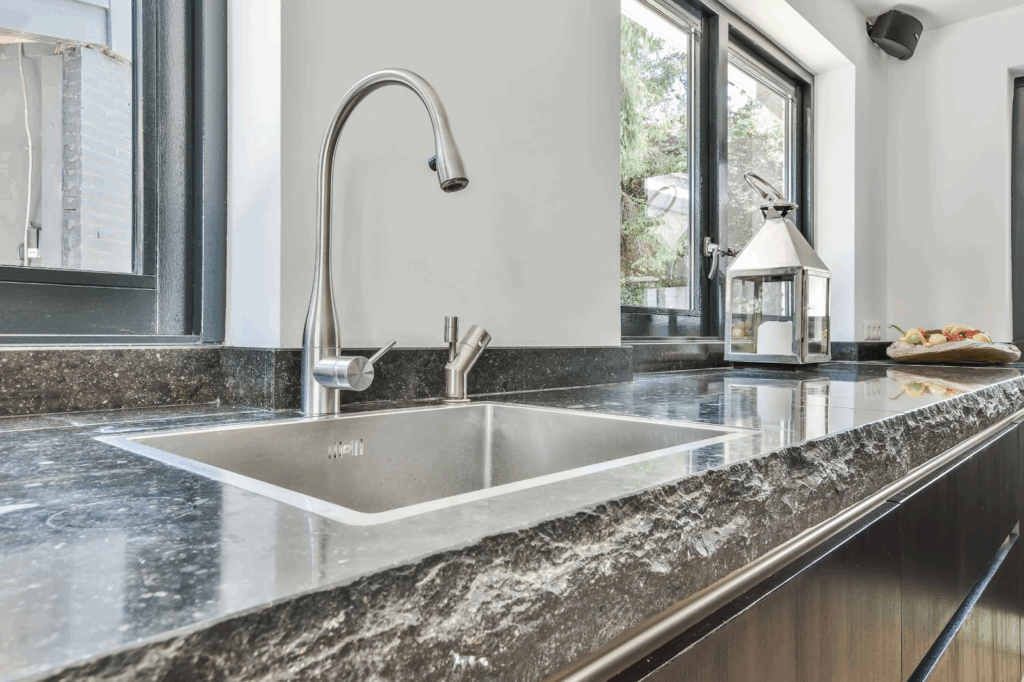
Edges do more than protect corners—they shape the countertop’s personality. Eased and pencil edges read clean and contemporary, while half-bullnose and full-bullnose feel soft and traditional. Beveled and ogee edges bring tailored detail to classic spaces. Thickness also influences proportion: a standard 3 cm profile looks crisp and substantial; a mitered or laminated edge can create the drama of a thick slab without the weight. These small decisions compound into a countertop that looks intentional from every angle.
Sustainable Design Benefits of Granite Countertops
Longevity Reduces Waste
Granite countertops can last for decades with minimal upkeep, cutting down on frequent replacements and lowering overall environmental impact.
Responsible Quarrying and Fabrication
Many suppliers provide transparency about quarry practices, transportation, and fabrication efficiency, making it easier to choose ethically sourced stone.
Local Availability Matters
Opting for granite stocked nearby reduces shipping distances and lowers the carbon footprint of your project.
Timeless Styles Prevent Remodel Fatigue
Classic colors and patterns keep granite countertops in style longer, helping homeowners avoid unnecessary updates that generate extra waste.
Granite Countertops Cost Value and ROI Considerations
Granite spans a range of price points depending on rarity, thickness, finish, and fabrication complexity. While some exotic stones command premium pricing, many beautiful granites fall into approachable tiers—especially when you choose standard edge profiles and efficient layouts. Value shows up long term: buyers recognize granite as a quality signal, which can support resale. Just as important, granite’s durability slows the urge for future updates, protecting your investment and your budget.
How Granite Countertops Are Fabricated and Installed
Great outcomes start with the template. Fabricators create an exact pattern of your cabinets, appliances, and walls, noting overhangs, seams, sink cutouts, and support needs. Strategic seam placement keeps patterns flowing and hides joints where possible. Proper substrate support matters at spans and overhangs, and final installation should include a meticulous level check to ensure integrated appliances and backsplashes align perfectly. A professional crew will also finish edges consistently and seal the stone before handoff, so your granite countertops are show-ready on day one.
Granite Countertops Elevate Busy Family Kitchens and Entertaining Spaces
From pancake mornings to holiday buffets, surfaces see spills, hot trays, and constant cleanup. Granite’s dense composition and sealed surface handle the pace with minimal fuss. Expansive islands in granite become multipurpose hubs for homework, charcuterie spreads, and weekend baking projects. Because the stone stays cool to the touch, pastry work is particularly pleasant. The net effect is a kitchen that invites use rather than tip-toeing, which is exactly what most households need.
Avoiding Specification Errors With Granite Countertops
Skipping a Full Slab Viewing
Relying only on small samples can be misleading since granite movement and veining often look different at full scale.
Overlooking Overhang Support
Extended countertop spans need proper reinforcement; without it, deflection or cracking may occur over time.
Choosing the Wrong Finish
High-shine polish in strong lighting can reveal crumbs and smudges. A honed or matte finish may better suit busy kitchens.
Ignoring Seam Placement
Poorly planned seams can disrupt dramatic veining or patterns. Discuss placement with your fabricator before cutting begins.
Granite Countertops Bring Your Vision to Life With Professional Guidance
A showroom team can help you narrow options quickly by matching cabinet tones, floor finishes, and lighting temperatures to specific stones and finishes. They’ll advise on edge profiles, sink reveals, radius corners, and seam strategy so the design and the engineering line up. When those pieces come together—slab selection, fabrication, installation, and care—you get what homeowners mean by “dream kitchen”: granite countertops that look incredible on day one and continue to earn compliments for years.To learn more about why granite countertops remain a top choice for kitchens, visit our Hardwood Galleria Design Center blog.