Flooring works harder than almost any other finish in the home. It handles foot traffic, shifting furniture, pets, spills, and seasonal changes in humidity and temperature. Engineered hardwood flooring is designed specifically to address these realities. By bonding a real hardwood wear layer to a dimensionally stable core, it delivers the warmth and character of natural wood with the practicality modern households need. The result is a surface that looks luxurious on day one and stays that way with straightforward care.
The Authentic Look of Wood in Engineered Hardwood Flooring
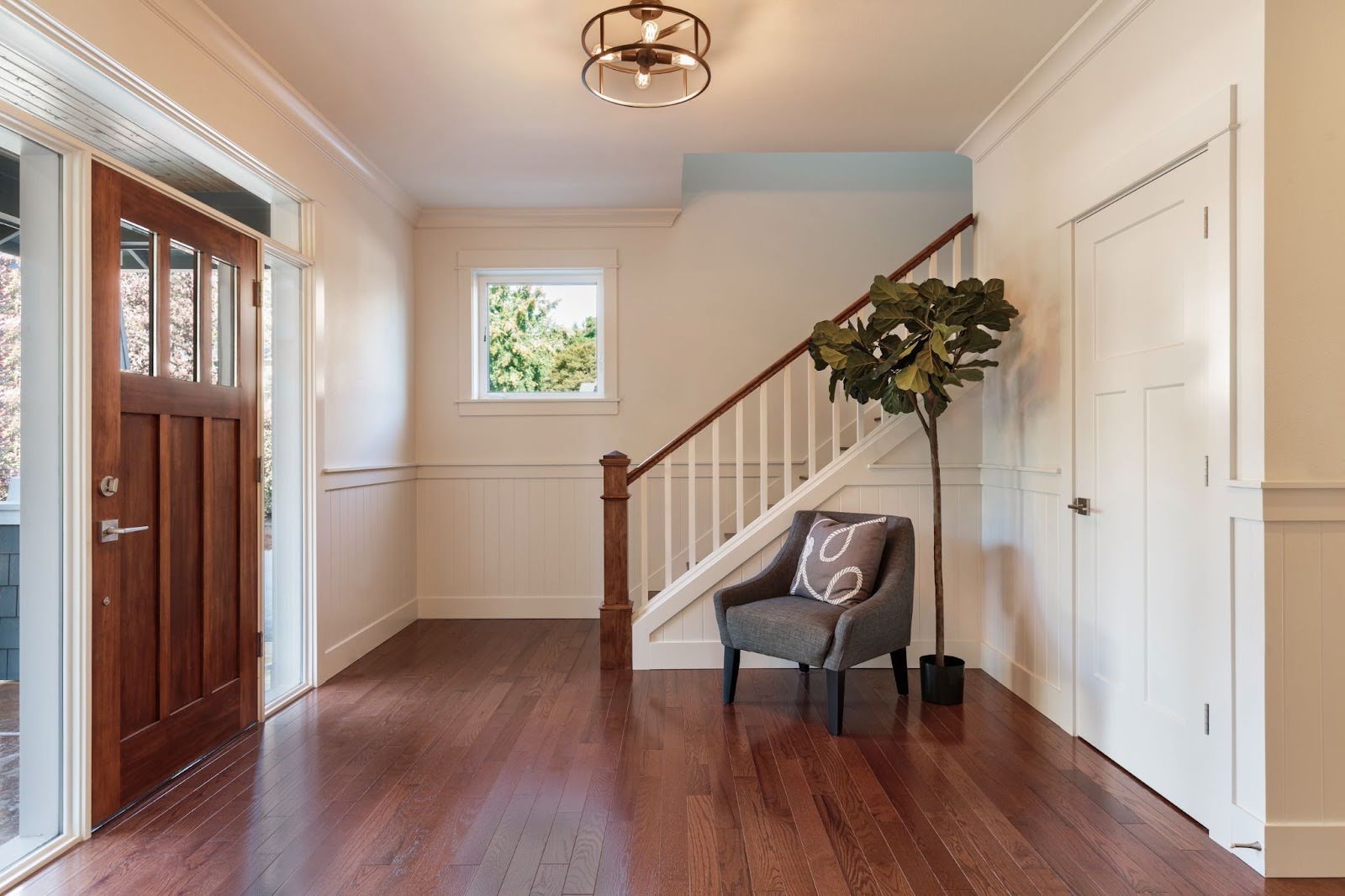
What you see and feel underfoot is authentic hardwood. The wear layer is the same oak, maple, hickory, or walnut you’d expect from solid planks, complete with grain variation, knots, and natural tone shifts. That means engineered hardwood flooring accepts many of the same stains and finishes and can be specified in everything from soft, Scandinavian pales to rich, heritage browns. Because it features real wood on top, it appears warm in morning light, glows under evening lamps, and develops a subtle patina that makes homes feel welcoming.
Dimensional Stability That Sets Engineered Hardwood Flooring Apart
One of the biggest advantages of engineered hardwood flooring is its ability to resist the natural movement that challenges traditional solid planks. This stability not only protects the look of your floors but also extends their life in a variety of environments.
Moisture Causes Movement in Wood
Solid boards naturally expand and contract in response to changes in humidity, which can sometimes lead to cupping or gaps. This makes them less reliable in regions with significant seasonal swings.
Engineered Hardwood Flooring Reduces Stress
The layered core is designed to counter this movement, keeping planks more stable across seasonal changes. This construction ensures long-term durability even in moisture-prone areas like kitchens or basements.
Consistent Appearance Through the Seasons
That stability helps maintain tight seams and crisp lines, ensuring the floor looks composed year-round. It means fewer visible flaws and a more professional finish over time.
Benefits for Open Floor Plans
In large spaces with long sightlines, fewer irregularities mean engineered hardwood flooring maintains a high-quality, polished appearance. This makes it an excellent option for modern layouts where design continuity matters.
Wide and Long Plank Designs Made Possible With Engineered Hardwood Flooring
Designers love broad, uninterrupted grains and the calm visual field of wide planks. Engineered hardwood flooring makes those looks more attainable because the stable core supports wider and longer formats with fewer risks of seasonal distortion. Wider planks can make compact rooms feel more expansive and help large spaces feel cohesive. When you combine generous dimensions with subtle bevels and a low-sheen finish, the floor reads custom and curated without pushing maintenance demands.
How Installation Flexibility Gives Engineered Hardwood Flooring an Edge
One of the most practical advantages of engineered hardwood flooring is the range of installation methods it supports. This adaptability saves time, reduces costs, and makes it easier to bring your design vision to life across different conditions in your home.
Glue-Down Applications Provide Stability
Engineered hardwood flooring can be glued directly to the subfloor, creating a firm feel underfoot and excellent sound control. This method is ideal for concrete slabs or when you want a seamless connection to the surface below.
Nailing Engineered Hardwood Flooring for Classic Performance
Nailing planks to a wooden subfloor replicates the traditional method of hardwood installation. It offers long-term security and is a reliable choice for those who prefer a time-tested approach.
Floating Floors Speed Up Installation
A floating system allows engineered hardwood flooring planks to click or lock together over an underlayment without adhesives or nails. This method is fast, cost-effective, and simplifies the replacement of sections.
Compatibility With Radiant Heat Systems
Engineered hardwood flooring’s stable construction works well with in-slab radiant heating when installed properly. This adds comfort and efficiency, especially in kitchens, bathrooms, or basements.
Radiant Heating Systems Work Seamlessly With Engineered Hardwood Flooring
Warm floors change how a room feels, especially in kitchens and bathrooms where bare feet meet hard surfaces. Engineered hardwood flooring pairs naturally with hydronic or electric radiant systems because its layered core tempers expansion and contraction as temperatures fluctuate. Follow the specified temperature ranges, allow for acclimation, and choose compatible adhesives or underlayments. When installed properly, you get the comfort upgrade of radiant heat alongside the timeless appeal of real wood.
Easy Maintenance Practices Keep Engineered Hardwood Flooring Looking Its Best
One of the main reasons homeowners choose engineered hardwood flooring is its low-maintenance nature. With just a few simple habits, you can keep the surface looking vibrant and protect your investment for years to come.
Regular Cleaning Protects the Surface
Dusting or vacuuming with a hard-floor attachment removes grit that can act like sandpaper on the finish. Consistent light cleaning prevents buildup and helps maintain a polished look.
Damp Mopping for Everyday Soil
Using a microfiber mop with a manufacturer-approved cleaner tackles spills and general soil without damaging the finish. This quick routine keeps engineered hardwood flooring fresh without the need for harsh chemicals.
Protective Pads and Entry Mats
Felt pads under furniture and walk-off mats at doors reduce abrasion from movement and tracked-in debris. These small safeguards extend the life of your flooring’s finish.
Advanced Finishes Simplify Care
Modern protective coatings make engineered hardwood flooring more resilient against scratches and stains. With these finishes, you get long-lasting beauty without time-consuming upkeep.
Indoor Air Quality Benefits of Engineered Hardwood Flooring
Many manufacturers offer low-VOC finishes and adhesives that meet strict emissions standards. Choosing engineered hardwood flooring with third-party certifications can contribute to a healthier indoor environment while still delivering the natural character of wood. Solid cores of high-quality plywood or composite engineered to compliance standards help minimize unwanted off-gassing, and factory-applied finishes cure under controlled conditions for added peace of mind.
Sustainable Design Goals Supported by Engineered Hardwood Flooring
Longevity is a core pillar of sustainability. Floors that last reduce the environmental cost of replacement. Engineered hardwood flooring can use wood resources efficiently because the valuable hardwood species are concentrated in the wear layer, supported by responsibly sourced core materials. When you select timeless colors and grain patterns, you lessen the urge for trend-driven remodels, extending the useful life of the installation and reducing waste.
Interior Styles That Complement Engineered Hardwood Flooring
Because the top layer is genuine wood, it partners easily with varied design languages. Pale, wide-plank oak amplifies natural light in Scandinavian or coastal interiors. Medium-tone hickory adds movement and energy to modern farmhouses. Rich walnut complements mid-century lines and warm metals. In contemporary spaces, straight-grained species with minimal knots read clean and architectural. Whatever your palette or furniture profile, engineered hardwood flooring offers species, grades, and finishes that harmonize.
Comfort and Acoustics Enhanced by Engineered Hardwood Flooring
Compared to many click-together rigid surfaces, wood offers a warmer acoustic profile. With the right underlayment in a floating or glue-down installation, engineered hardwood flooring can help temper echo and reduce hollow footfall sounds in open-plan spaces. Underfoot, the slight give of wood is more forgiving during long prep sessions in the kitchen or playtime on the living room floor, contributing to a quieter, more comfortable home.
Strong Resale Value Linked to Engineered Hardwood Flooring
When it comes time to sell, buyers often judge a home by its finishes. Engineered hardwood flooring consistently stands out as a feature that communicates quality, style, and lasting durability—all of which boost resale appeal.
Buyers Notice Real Wood Surfaces
Engineered hardwood flooring has the same genuine wood top layer as solid planks, which instantly conveys luxury and warmth. This authentic look often tips buyer preference in competitive markets.
Quality Installation Sends the Right Message
A properly installed floor with clean seams and consistent alignment reflects care and craftsmanship. Buyers equate this with overall pride of ownership, making them more confident in their offer.
Resistance to Wear Protects Appearance
Because engineered hardwood flooring is built to resist seasonal shifts and daily use, it retains its composed look longer. This steady appearance keeps high-traffic spaces looking fresh for showings.
Resale Value Benefits Homeowners Over Time
The combination of authentic design and long-term durability supports higher offers and quicker sales. It also reduces the likelihood of costly renovations before listing your home.
Budget Flexibility Without Sacrificing Beauty in Engineered Hardwood Flooring
Because engineered products span a range of wear-layer thicknesses, species, grades, and finishes, you can target the right price point without surrendering beauty. In secondary spaces, a thinner wear layer may make sense; in high-impact zones, step up to thicker surfaces and tougher coatings. The shared visual language across a collection allows a cohesive whole-home aesthetic that respects cost where appropriate and invests where it counts.
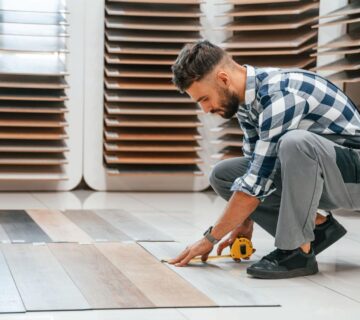
How Experts Ensure Proper Installation of Engineered Hardwood Flooring
Even the best flooring materials can fall short without proper installation. Professional guidance ensures that engineered hardwood flooring is installed correctly, looks stunning, and performs as intended for years.
Expert Showrooms Provide Trusted Advice
Specialized flooring showrooms help homeowners understand species behavior, finish options, and core construction. This guidance narrows choices and ensures you select the right engineered hardwood flooring for your space.
Preparing Subfloors and Acclimation Matters
Professionals emphasize acclimating the planks and ensuring subfloors are level, clean, and dry. Proper prep work is critical for preventing long-term performance issues.
Skilled Installers Perfect the Details
From staggering end joints to managing expansion gaps, expert installers handle the fine points with precision. Their craftsmanship ensures engineered hardwood flooring looks seamless and intentional.
Long-Term Performance Comes From Professional Care
Correct installation not only enhances aesthetics but also reduces the risk of buckling or gaps over time. A skilled crew helps transform quality material into a lasting investment.
Bringing Your Whole Design Together With Engineered Hardwood Flooring
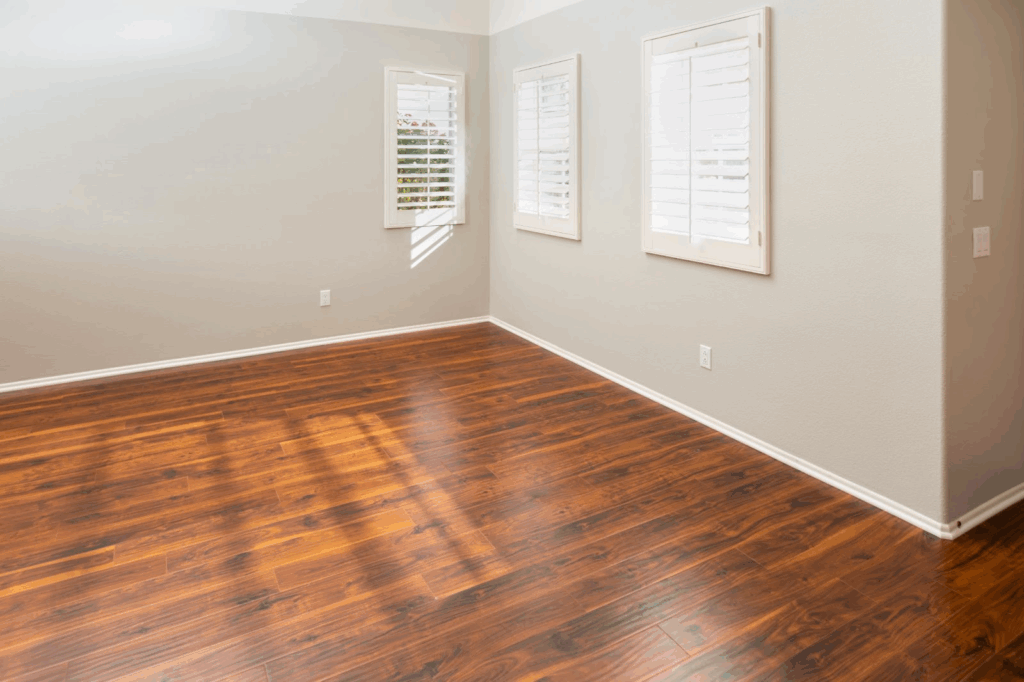
Great rooms feel inevitable—as if every choice belongs. Engineered hardwood flooring contributes to that effect by providing a continuous, authentic wood surface that harmonizes with cabinetry, textiles, lighting, and hardware. Its stability supports wide planks and long runs; its finishes offer subtlety or drama as needed. When a floor grounds the space, the rest of the design reads clearer and more composed, and daily living simply feels better.
To learn more about the top benefits of choosing engineered hardwood floors, visit our Hardwood Galleria Design blog.