
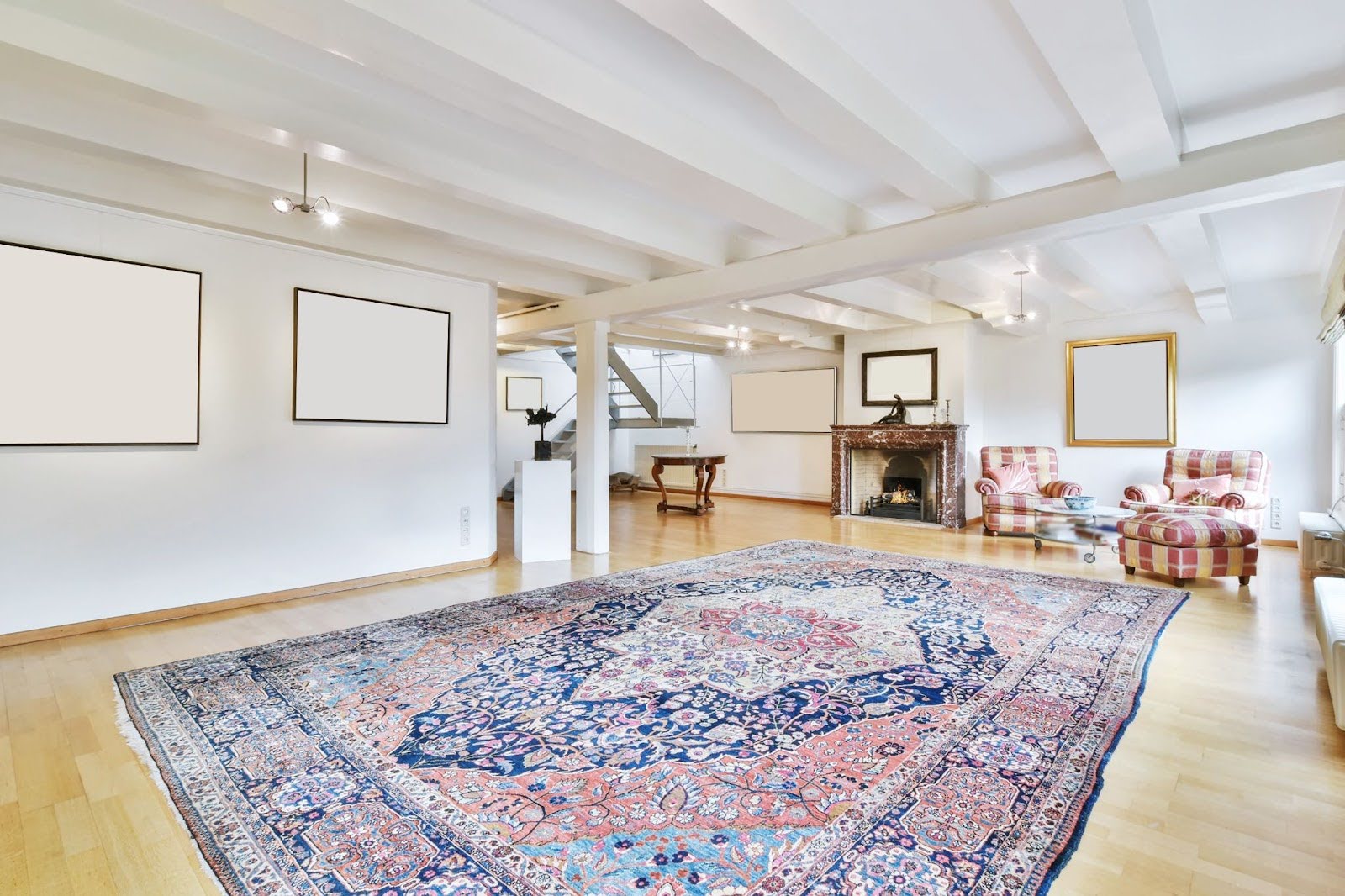
Beneath the art, the millwork, and the lighting, luxury carpet does the unglamorous but essential work of making rooms feel composed. It absorbs echo, softens footsteps, and tempers the visual busyness of fine furnishings so statement pieces can breathe. In large spaces, a continuous field of tone and texture ties zones together without shouting, while in intimate rooms it offers a tactile invitation that hard surfaces cannot match. When the goal is a home that feels serene rather than staged, designer carpet becomes the substrate of quiet luxury, allowing color, form, and craft to take their turns without competing for attention.
Designer Carpet and The Psychology of Color and Texture
Color and texture shape mood long before a visitor notices the pattern. The right palette steadies circulation and clarifies function, while the wrong one makes even exquisite architecture feel restless. Curated pile heights and yarn blends catch light differently across the day, giving rooms a subtle sense of motion that feels alive rather than glossy.
Calming Neutrals and Monochrome
Layering warm grays, oat, and bone creates a gallery-grade calm that flatters art and natural stone.
Saturated Accents that Ground Space
Strategic hits of indigo, oxblood, or forest can anchor seating groups and keep open plans from drifting.
Texture that Reads as Craft
Cut-and-loop, rib, or subtle strié delivers hand-feel and shadow play without resorting to loud motifs.
Designer Carpet in Grand Entries and Galleries
Arrival sets the expectation, and entries work hard. A refined field underfoot signals quality immediately, easing the acoustic snap that stone and glass often introduce. In gallery corridors, designer carpet manages sound so art conversations stay intimate, not cavernous, and it establishes a walking rhythm that encourages guests to linger. Thoughtful edge details—binding widths, micro-bevels at metal thresholds, the exact reveal to base—turn a traffic zone into a procession, aligning everyday movement with the home’s design intent.
Designer Carpet Versus Rugs and Runners
Rugs float; broadloom and tailored installs belong to the architecture. Knowing when each approach is right is part aesthetics, part engineering. With radiant heat, door clearances, and contiguous sightlines in play, the relationship between formats becomes a strategic design tool rather than a stylistic coin toss.
Wall to Wall for Seamless Luxury
Continuous fields erase visual breaks, making rooms feel larger and more deliberate.
Custom Area Rugs for Flexibility
Precisely scaled rugs define vignettes, letting you pivot layouts as art and furniture evolve.
Runners that Sculpt Circulation
Stair and corridor runners carve pathways that feel composed, safe, and quietly formal.
Designer Carpet Materials that Raise the Bar
Materials speak the language of longevity. New Zealand wool remains a benchmark for resilience, colorfastness, and feel, with natural crimp that resists matting in daily use. Silk blends introduce a low, liquid sheen that catches light like a lacquered panel, best reserved for rooms where shoes seldom go. High-performance nylons and PETs with solution-dyed yarns shrug off stains in family zones while mimicking the hand of natural fibers. Backing systems matter too: premium primary and secondary backings stabilize pattern, improve installation tolerances, and keep seams tight. When luxury is measured in decades, material discipline is design.

Construction and Craft Detail of Designer Carpet
Construction reveals itself in the edges and the traffic lanes. Hand-knotted and hand-tufted pieces carry a sculptural depth that camera lenses love, but precision Axminster and Wilton weaves deliver unmatched pattern clarity for tailored interiors. Carving, tip-shearing, and beveling add relief without resorting to heavy contrast, while denser stitch rates hold their profile where chairs pull and pivot.
Hand Knotted and Hand Tufted
Artisanal methods create nuance and heirloom character for low-traffic, showcase rooms.
Axminster and Wilton Weaves
Mechanical precision offers crisp geometry and repeat fidelity for formal spaces and hospitality-grade performance.
Shearing and Carving for Relief
Subtle height changes throw elegant shadows, adding depth without busying the palette.
Designer Carpet for Acoustics, Warmth, and Wellness
Acoustics are comfortable. By damping the mid- and high-frequency reflections that hard finishes amplify, designer carpet makes conversation intelligible and music immersive at lower volumes. Thermal comfort follows: a cushioned pad interrupts heat loss through slabs and keeps bedrooms welcoming at bare feet. Wellness is in the details, such as low-emission adhesives and pads, along with regular maintenance protocols that trap dust at the floor instead of circulating it. Together, these choices deliver a home that sounds and feels like a sanctuary, not a showroom.
Designer Carpet in Bedrooms, Suites, and Dressing Rooms
Private spaces reward investment in softness and silence. The right underlay turns early alarms into considerate whispers, while a dense, velvety pile transforms morning routines from sprint to ritual. In dressing rooms, pattern scale should flatter shoe storage and millwork rather than compete, and a low-contrast palette keeps garments color-true in real light.
Underfoot Quiet for Rest
A cushioned assembly reduces impact noise through structure, protecting sleep and privacy.
Luxurious Pile at Bare Feet
Short, dense piles feel indulgent while resisting imprinting under occasional furniture shifts.
Integrated Closet Runners
Seamless transitions into cabinetry zones keep the experience consistently refined.
Pattern, Scale, and Proportion of Designer Carpet
Pattern is composition, not decoration. In large rooms, overscaled geometry brings order and cadence without appearing busy, while in modest spaces, micro-patterns add texture that appears calm from a distance. Repeats should respect sightlines—aligning with fireplace axes, mullion rhythms, or ceiling coffers—so that the floor converses with the architecture. Even a near-solid can show discipline: a faint rib or basket weave gives the eye somewhere to rest between artworks and case pieces.
Designer Carpet on Stairs and Landings
Stairs are a stress test for both design and craft. Treads and risers require templating to accommodate slight inconsistencies, and the install method—waterfall for a modern sweep, Hollywood for a tailored tuck—changes how the profile reads. Proper nosing wrap, secure fastening at the stringer line, and pattern centering at every flight keep the experience elegant and safe, even where traffic is highest.
Template Fit for Safety
Accurate patterns eliminate slivers and gaps that telegraph amateur work.
Waterfall vs Hollywood Installs
Choose the profile that suits the home’s language, then execute it consistently from first step to last.
Nosing Details That Last
Reinforced edges and mindful pile direction extend life where wear concentrates.
Designer Carpet With Stone and Wood Finishes
Luxury homes rarely commit to a single material. The question is how surfaces meet. A precisely set metal or stone transition can frame designer carpet like an inlay, turning pragmatic thresholds into jewelry. In open plans with wood, a soft, near-tone match prevents visual chop while still offering acoustic and tactile benefits. For hearths and patio doors, clear expansion and protection strategies ensure that sun, grit, and thermal swings never overpower the composition.
Protection and Long-Term Care for Designer Carpet
Luxury is maintenance made simple. An entry strategy that captures grit, a schedule of low-moisture cleaning, and spot treatments with manufacturer-approved solutions keeps fibers buoyant and color true. Professional care at measured intervals revitalizes the pile and resets traffic lanes before wear etches in. Protection plans that apply breathable, fiber-specific guards add a margin of grace against inevitable accidents. When caretaking is planned rather than improvised, designer carpet ages with dignity, acquiring patina without surrendering polish.
Designer Carpet and Sustainability in Practice
Beauty and responsibility can coexist. Natural wool offers a renewable fiber with inherent soil resistance, while backings and pads made with recycled or plant-based content lower embodied impact. Low-VOC adhesives and installation methods protect indoor air quality during and after fit-out. End-of-life considerations, such as modular formats that can be selectively replaced or vendor take-back programs, keep materials in circulation. A sustainable specification is not a compromise; it is a more thoughtful kind of luxury that considers the home’s life beyond the reveal.

Choosing a Partner for Designer Carpet that Delivers
Execution is where dreams survive or fail. Great showrooms and workrooms translate concepts to cut sheets, plan seams to disappear from primary sightlines, and schedule installations around joinery, lighting, and move-in to avoid rework. They provide strike-offs at true size so the pattern reads correctly at scale and insist on acclimation and substrate prep that protect the investment.
Sampling Under Real Light
View large swatches in the morning and evening to confirm the tone with paint, stone, and wood.
Mockups at Full Scale
A taped footprint or paper template prevents proportion surprises on installation day.
Installation Specs in Writing
Document seam locations, pad density, and thresholds so craftsmanship is measurable.
The Takeaway on Designer Carpet for Luxury Homes
Luxury homes ask floors to do many things at once: quiet a space, welcome bare feet, honor architecture, and elevate the pieces that rest upon them. Designer carpet accomplishes all of that while giving designers a vast library of color, construction, and detail to compose with. From grand entries to private suites, from gallery corridors to sculptural staircases, it is the medium that turns circulation into ceremony and comfort into an aesthetic virtue. Specify it with the same rigor you bring to stone and millwork—materials, construction, installation, and care—and it will return that discipline with years of poise, warmth, and understated confidence.
Visit our Hardwood Galleria Design Center blog to learn more about designer carpet and how it can elevate your space.
