
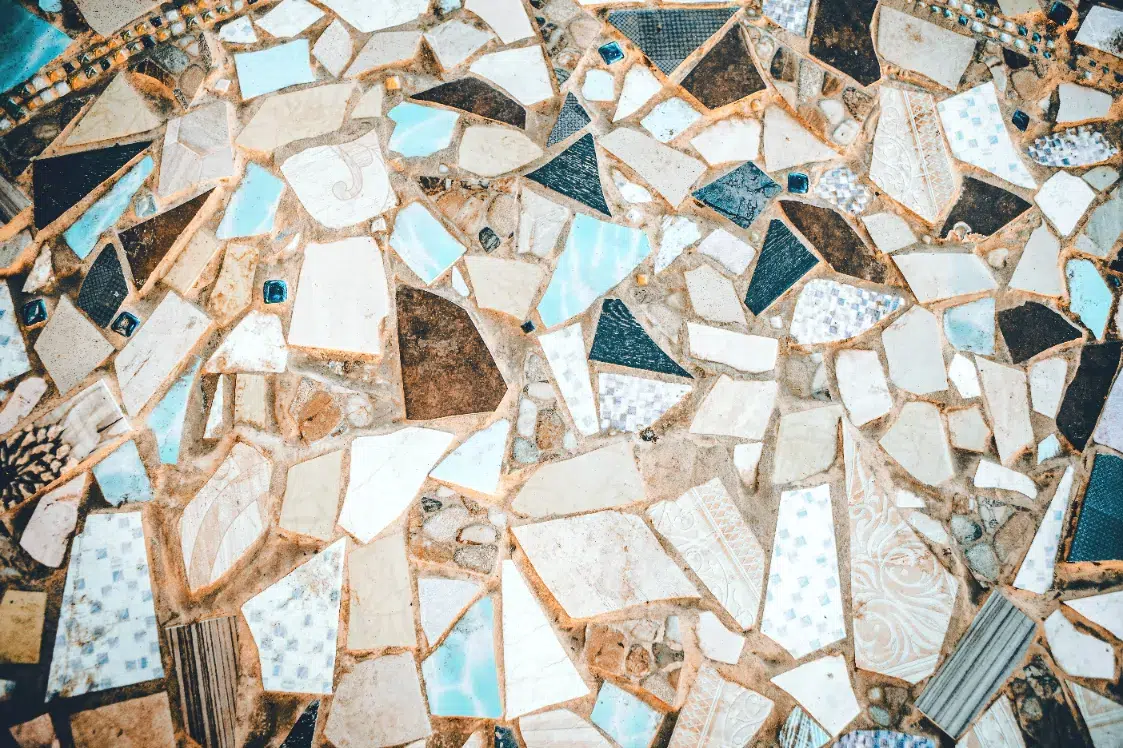
Mosaic floor tiles have traveled a long road from ancient villas to modern homes, and the reason they keep resurfacing is simple: they blend art with architecture in ways few materials can. Because mosaics are built from small pieces of stone, glass, ceramic, or porcelain, they unlock patterns and color stories that slabs and planks can’t replicate. At the same time, today’s manufacturing techniques make them durable, slip-resistant, and easy to clean—key traits for kitchens, baths, entries, and commercial spaces. When you bring mosaic floor tiles into a project, you’re not just covering square footage; you’re composing a surface that speaks to craftsmanship, elevates perceived quality, and adds measurable value to your property.
Mosaic Floor Tiles Elevate Property Value Through Design
Signaling Quality to Buyers and Appraisers
Mosaic floor tiles instantly communicate that a home or business has been finished with durable, thoughtful materials.
Designer Appeal Without the Luxury Price Tag
Even when sourced from standard sheets, mosaics look custom and often read as “designer” in kitchens and bathrooms—spaces that weigh heavily on property value.
Durability That Extends the Refresh Cycle
Mosaics handle moisture and heavy use with ease, meaning floors maintain their appearance and function longer between renovations.
Strong First Impressions That Boost Resale
The combination of style and longevity creates powerful curb appeal during showings or virtual tours, leading to faster sales and stronger offers
From Classic Elegance to Modern Flair With Mosaic Floor Tiles
One of the biggest advantages of mosaic floor tiles is stylistic agility. Hexagons, herringbones, penny rounds, basketweaves, and Moroccan-inspired motifs each carry a different vibe. Marble and travertine mosaics lean classic and upscale; porcelain can mimic stone or deliver bold, modern color; glass brings depth and reflectivity that brightens smaller rooms. With mosaics, you can dial the aesthetic to farmhouse, mid-century, coastal, industrial, or contemporary simply by changing material, format, and grout tone. This versatility means you can coordinate floors with cabinetry, counters, and wall finishes without sacrificing durability or maintenance.
Elevating Kitchen Design Through Mosaic Floor Tiles
Kitchen floors do a lot of heavy lifting, and mosaic floor tiles give them the traction, cleanability, and visual interest they deserve. A finely patterned mosaic breaks up large planes, helping rooms feel grounded and intentional. In open-concept layouts, a perimeter mosaic “rug” can define the cooking zone without building a wall. If you prefer a quieter design, a monochrome porcelain hex with matching grout adds subtle texture that hides crumbs between cleanings. For historic homes, small-format basketweaves and penny rounds nod to the past while delivering present-day performance. The result is a kitchen that reads as bespoke and functional—both valuable at resale.
Mosaic Floor Tiles Turn Bathrooms Into Luxurious Spa Inspired Spaces
Bathrooms are where mosaics truly shine. Their small pieces conform to slopes for shower pans, providing comfortable grip and precise drainage. On main floors, mosaics add traction while keeping maintenance simple—just regular sweeping and mopping. Visually, a marble basketweave or porcelain geometric elevates even compact powder rooms, making them feel curated rather than utilitarian. If you’re working with a low-light bath, glass mosaics or lighter porcelain blends bounce illumination and make the space feel larger, contributing to the perception of luxury buyers often chase.
Entrances and Mudrooms That Impress With Mosaic Floor Tiles
First impressions happen at the threshold, and mosaic floor tiles help foyers deliver on both durability and design. Salt, sand, rain, and daily traffic can be tough on finishes; mosaics resist abrasion and clean up quickly. In mudrooms, darker or variegated patterns disguise soil until you have time to mop. Pair a border motif with a central field tile, and you’ve created the look of an inlaid stone floor at a more approachable price point. This kind of detail signals quality craftsmanship right where guests step inside, setting the tone for the rest of your interior.
How Pattern Scale and Color Theory Shape Mosaic Floor Tiles
Because mosaics are inherently modular, they allow you to think like a designer. Use high-contrast patterns to energize contemporary spaces or monochrome blends for calm, minimalist rooms. Consider scale: tight penny rounds soften hard edges; larger hexes feel modern; elongated chevrons add motion. Color matters too. Cool grays and blues read tranquil; warm taupes and creams feel welcoming; black-and-white classics are perennially chic. Grout selection is a design tool in its own right—tonal grout unifies a field, while contrasting grout outlines each tessera, amplifying the graphic effect.
Practical Materials and Finishes Found in Mosaic Floor Tiles
Choosing the right mosaic floor tiles means matching material to use-case. Porcelain mosaics are dense, highly resistant to stains, and forgiving in wet areas—perfect for baths, entries, and kitchens. Natural stone mosaics such as marble bring organic veining and timeless appeal; they typically require sealing but reward you with depth and character. Glass mosaics add reflectivity and color saturation, though they’re best reserved for accent zones if heavy floor traffic is expected. Honed finishes reduce glare and enhance grip; polished surfaces feel more formal. With the right selection, you get beauty that doesn’t demand fussy upkeep.
Mosaic Floor Tiles Installed With Care for Long Lasting Results
Successful mosaic installations come down to substrate prep, layout, and setting materials. Because mosaics telegraph what’s beneath, a flat, properly primed subfloor is essential. Setting sheets with consistent pressure avoids lippage and keeps joints uniform for a clean grout line. In showers, correct slope and waterproofing are non-negotiable; in heated floors, decoupling membranes help prevent stress fractures. Quality thin-set, the right trowel size, and careful alignment around thresholds ensure the finished surface looks seamless from one room to the next. These details may be invisible individually, but together they create a floor that stays beautiful and stable for years—a value multiplier during inspections and appraisals.
Maintenance Made Simple With Mosaic Floor Tiles
Regular Cleaning Keeps Surfaces Fresh
Sweeping removes everyday grit, and damp mopping with a pH-neutral cleaner quickly handles spills and soil buildup.
Porcelain Mosaics Resist Stains in Busy Areas
Dense porcelain mosaics hold up well in kitchens, entries, and other high-traffic spaces, making them a practical choice for families.
Natural Stone Benefits From Periodic Sealing
Applying a quick sealant treatment boosts resistance to etching and staining while preserving the stone’s natural beauty.
Advanced Grout Technology Reduces Upkeep
Modern high-performance and epoxy grouts resist discoloration, cutting down on scrubbing and keeping floors looking new longer.
Radiant Heat Systems and the Comfort of Mosaic Floor Tiles
Small tile pieces and generous grout lines make mosaic floor tiles excellent partners for radiant heating. The grid distributes warmth efficiently, and the thermal mass keeps floors cozy even after the system cycles off. In bathrooms and kitchens—where bare feet meet hard surfaces—this is a quality-of-life upgrade that also reads as premium during resale. If radiant heat isn’t in scope, adding cork or foam underlayment (where appropriate and compatible with your tile system) can help tune acoustics and underfoot feel while retaining the durability that makes tile so compelling.
Sustainability Benefits of Mosaic Floor Tiles and Responsible Sourcing
Many mosaic floor tiles, particularly porcelain, are produced with recycled content and fired in highly efficient kilns. Because they last for decades, they reduce the need for frequent replacement—a key sustainability metric. Natural stone mosaics can be sourced from quarries with strong environmental stewardship, and glass mosaics often incorporate post-consumer glass. Choosing low-VOC setting materials and grouts supports better indoor air quality. When you combine long service life with responsible production, mosaics become a finish that aligns with both design and environmental goals—an increasingly important value driver for today’s buyers.
Common Mistakes to Avoid When Working With Mosaic Floor Tiles
Using Wall-Only Glass Mosaics on High-Traffic Floors
Glass mosaics designed for walls won’t withstand the pressure of daily foot traffic. Always select floor-rated products to ensure safety and durability.
Skipping Proper Substrate Preparation
Uneven subfloors will show through small mosaic pieces, creating an unpolished look and reducing longevity. A flat, primed surface is essential.
Choosing Grout Colors That Increase Maintenance
Extremely light grout in busy entryways can stain quickly and demand constant upkeep. Picking a practical grout color will reduce stress and preserve appearance.
Tailoring Mosaic Floor Tiles to Fit Your Property
Every property has its own story—light levels, traffic patterns, subfloor conditions, and architectural style. Mosaic floor tiles are flexible enough to honor those realities. In a city loft, concrete-look porcelain hexes underscore the industrial mood while softening acoustics with grout lines. In a coastal cottage, pale penny rounds echo beach pebbles and brighten tight bathrooms. In a traditional home, a marble basketweave with a contrasting border complements crown moldings and paneled doors. The outcome is a floor that feels “meant for” the space—an effect that reads as custom and increases perceived value.
Achieving Your Unique Design Vision Through Mosaic Floor Tiles
If you’re considering mosaic floor tiles for a remodel or new build, exploring materials in person is the best next step. Seeing the nuance of a honed marble versus a matte porcelain, comparing grout swatches, and placing samples under your home’s lighting will clarify your direction quickly. With the right plan, mosaics can anchor your design, increase functionality, and boost long-term value—all in a finish that feels distinctly yours. Whether you favor classic patterns or modern geometry, mosaic floor tiles are a proven path to style and substance underfoot.To learn more about how a mosaic floor tile adds value and style to your property, visit our Hardwood Galleria Design blog.
